Why You're Failing at A1 Garage Doors Burleigh Heads
Garage Door Weatherproofing – Complete Guide to Keep Your Garage Dry & Draft-Free
Is your garage door allowing cold drafts, moisture, or unwanted noise into your space? Proper garage door weatherproofing is essential for maintaining a comfortable, energy-efficient, and protected garage all year round. This comprehensive guide explains what garage door weatherproofing entails, why it matters, how to tackle common problem areas, the best materials available, and maintenance tips to ensure long-lasting protection.
What is Garage Door Weatherproofing?
Garage door weatherproofing refers to the process of sealing gaps and installing protective barriers on and around the garage door to prevent air leaks, moisture ingress, dust, pests, and noise. It typically involves installing a weather seal or weatherproof membrane that acts as a moisture barrier and draught excluder, effectively stopping external elements from entering the garage space. By addressing these vulnerabilities, weatherproofing helps maintain temperature control inside the garage and prevents condensation build-up which can damage stored items or the door itself.
Common components include weatherstripping, rubber gaskets, vinyl seals, foam tapes, and silicone sealants that create an airtight and water-resistant shield around the garage door frame and edges.
Why Weatherproof Your Garage Door?
Weatherproofing your garage door delivers multiple benefits that improve comfort, security, and efficiency. One of the key advantages is heat retention and cold protection, which is especially crucial in Australian climates with seasonal extremes. By reducing drafts and air leaks, weatherproofing lowers heating costs during winter and keeps the garage cooler in summer.
It also provides wind protection by blocking gusts that can rattle and stress the door assembly. Noise reduction is another important benefit, making noisy street sounds or machinery less intrusive inside the garage or adjacent rooms.
Additionally, well-installed seals serve as a pest barrier, preventing insects and rodents from entering, while effectively acting as a dust seal to keep the garage cleaner. Overall, weatherproofing improves temperature control and helps preserve the structural integrity of the garage door and contents inside.
Common Garage Door Gaps and Problem Areas
Identifying the typical problem areas where leaks occur is the first step in effective weatherproofing. These areas include:
- Garage door frame: Gaps between the door and frame often allow air and water to seep through.
- Door jamb weatherseal: The sides of the garage door where the door meets the jamb are frequent leak points, needing tight seals.
- Garage gap seal: Any small spaces between the door panels or between the door and adjoining walls.
- Door bottom seal: The threshold at the bottom of the door often has cracks or worn seals which allow drafts, rain, and insects inside.
- Threshold seal: The strip or metal plate fixed to the floor under the door may be damaged or missing, compromising the barrier.
Addressing each of these points with appropriate sealing materials is crucial for a fully weatherproof garage door.
Types of Weatherproofing Materials and Components
Door Seals and Weatherstripping Options
A variety of door seals and weatherstripping materials exist, each designed to fit different garage door types and environmental conditions:
- Rubber gasket: Durable and flexible, rubber gaskets provide excellent resistance against air leaks and moisture. EPDM rubber is especially popular due to its weather resistance and longevity.
- Neoprene seal: Offers good weather and chemical resistance, ideal for harsh environments.
- Vinyl seal: Cost-effective and commonly used, vinyl seals compress easily to fill gaps effectively.
- Compression seal: Designed to compress when door closes, providing a tight barrier.
- Silicone sealant: Often used as an additional waterproofing layer around door frames and joints.
- Foam tape: Self-adhesive foam strips that are easy to install and great for filling small cracks and gaps.
- Self-adhesive strip: Simple peel-and-stick weatherproof strips for quick DIY applications.
Door Sweeps and Bottom Seals
Door sweeps are essential for blocking drafts and debris from entering underneath the garage door. Common options include:
- Door sweep: Attaches to the bottom edge of the door, made of rubber or flexible plastic strips.
- Door brush seal: Features bristles that move with the door, providing a noise-minimising and dust-blocking function.
- Weatherproof strip: Durable strips that act as draught stoppers and moisture barriers.
- Weather flap: Flexible flaps that deflect rainwater and prevent entry under heavy downpours.
Thresholds and Sealing Strips
Thresholds help seal the gap between the garage floor and the door bottom. Typical products include:
- Metal threshold: Aluminium or metal plates mounted on the floor that combine durability with weatherproofing.
- Aluminium strip: Lightweight and corrosion-resistant strips that enhance sealing.
- Garage door threshold: Specially designed thresholds with built-in sealing lips for enhanced protection.
- Sealing strip: Rubber or vinyl strips applied on top of thresholds to further seal gaps.
Additional Materials and Products
Beyond seals and sweeps, additional weatherproofing materials can improve thermal insulation and durability:
- Door insulation kit: Includes panels or foam boards to insulate the door itself, reducing heat transfer.
- Weatherproof paint: Special coatings that protect door surfaces from moisture, UV damage, and extend seal lifespan.
- Weatherproof membrane: Thin protective layers installed behind weatherstripping to enhance moisture and air barrier performance.
How to Weatherproof Your Garage Door – Step by Step Guide
Follow these steps for a successful DIY garage door weatherproofing project:
- Inspect the door and frame: Identify leaks, damaged seals, and any gaps or cracks.
- Clean surfaces: Remove dirt, dust, and old sealant for proper adhesion of new materials.
- Measure accurately: Use a tape measure to record lengths of door edges, thresholds, and jambs for precise cutting of weatherstripping.
- Select appropriate materials: Choose seals, sweeps, and adhesives suitable for your door type and weather conditions.
- Apply weather stripping adhesive: Some seals require glue for extra hold; follow product instructions carefully.
- Install door sweeps and bottom seals: Attach using screws or adhesive to eliminate gaps at the door base.
- Fit door jamb weatherseal: Secure on vertical sides to block side air leaks.
- Add threshold seals: Install on the garage floor beneath the door for a complete seal.
- Seal remaining gaps: Use silicone sealant to fill cracks around the frame or between panels.
- Test the door operation: Open and close the door several times to ensure seals do not interfere with door movement.
Regular garage door maintenance including lubricating hinges and checking door fitting will prolong weatherproofing effectiveness.
Best Products for Garage Door Weatherproofing
When choosing weatherproofing products, consider durability, ease of installation, and compatibility with your garage door. Some top-rated product types include:
- EPDM rubber door seals for superior weather blocking and UV resistance.
- Self-adhesive foam tape strips for quick sealing of small cracks and gaps.
- Heavy-duty door sweeps with aluminium backing for long-lasting bottom seal protection.
- Compression vinyl seals offering excellent compression and expansion properties for fluctuating door fits.
- Door insulation kits featuring reflective foil barriers combined with foam panels for thermal insulation.
Opt for products that comply with Australian standards for building materials and come with clear installation instructions.
Maintenance Tips for Long-Lasting Weatherproofing
To keep your garage door weatherproofing in peak condition, regular care is essential:
- Inspect weatherproof strips quarterly for cracks, tears, or detachment.
- Clean seals with mild detergent to remove dirt and prevent degradation.
- Reapply or replace silicone sealant and weatherstripping every 2-3 years or as needed.
- Check the door’s alignment and re-fit seals if the door sags or warps.
- Prepare your garage for winter by sealing potential leak points to maximise heat retention.
- Lubricate moving parts to prevent wear that can distort door fitting and compromise seals.
Frequently Asked Questions About Garage Door Weatherproofing
What materials are best for sealing garage doors against drafts?
EPDM rubber seals and neoprene gaskets are among the best materials due to their flexibility, durability, and resistance to extreme weather and UV rays. Foam tapes and silicone sealants are also effective for smaller gaps and cracks.
How do I measure for weatherproofing strips and seals?
Use a tape measure to determine the length of the door edges, jambs, and threshold areas where you plan to install the seals. Always add a small extra length for overlap or trimming for a snug fit.
Can weatherproofing my garage door reduce my energy bills?
Yes. By preventing drafts and improving thermal insulation, weatherproofing reduces heat loss in winter and heat gain in summer, decreasing reliance on heating and cooling systems and thus lowering energy costs.
How often should I replace garage door weather seals?
Generally, seals last 2 to 5 years depending on the material quality and environmental exposure. Annual inspections will help you determine when replacement is necessary.
Is weatherproofing effective against pests and dust?
Properly installed weather seals and door sweeps form barriers that significantly reduce pest ingress and dust infiltration through common entry points around the door.
Can I apply weatherproof paint to my garage door for extra protection?
Yes. Weatherproof paints provide an additional moisture barrier, protect against UV damage, and help extend the lifespan of door seals by reducing environmental wear.
What tools do I need for DIY garage door weatherproofing?
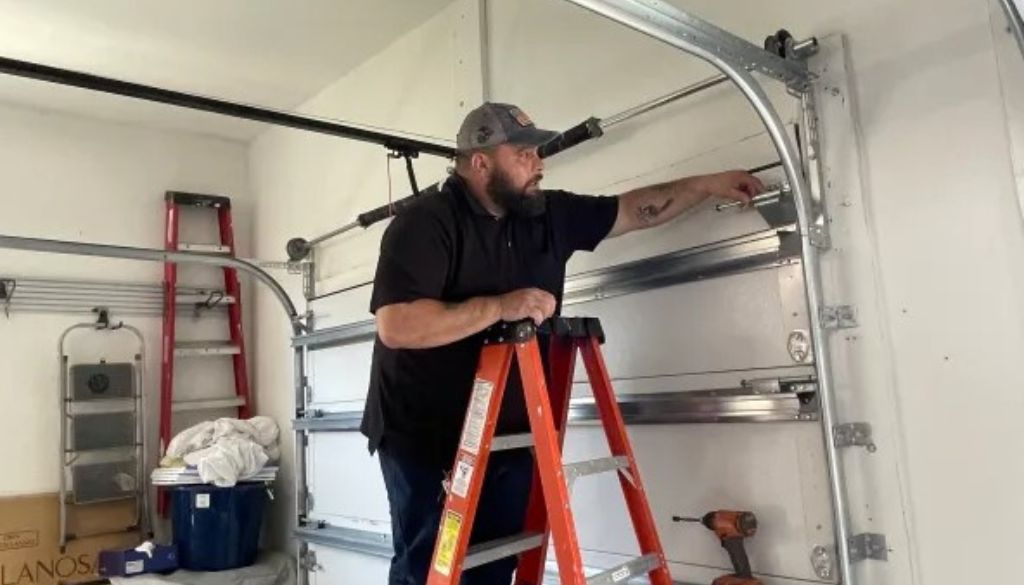
Common tools include a tape measure, utility knife or scissors, screwdriver or drill, adhesive (if required), cleaning cloths, and optionally a caulking gun for silicone sealant application.
How do I know if my garage door needs weatherproofing?
Signs include noticeable drafts, water intrusion during rain, increased noise levels, visible gaps or damaged seals, moisture condensation inside the garage, or higher heating/cooling bills.
Conclusion
Effective garage door weatherproofing is a vital home improvement that enhances energy efficiency, protects your belongings, and maintains indoor comfort. By understanding the common leakage points, selecting the right weatherproofing materials like rubber gaskets, door sweeps, and threshold seals, and following step-by-step installation and maintenance practices, you can ensure your garage remains dry, draft-free, and well-insulated throughout the seasons.
Invest time in regular inspections and upkeep to prolong the life of your weatherproofing solutions. Whether you opt for a DIY approach or professional assistance, prioritising A1 Garage Doors Burleigh Heads garage door weatherproofing offers lasting benefits including reduced energy costs, noise reduction, pest prevention, and improved home value.
Start your garage door weatherproofing project today to enjoy a more comfortable, efficient, and secure garage space all year round!